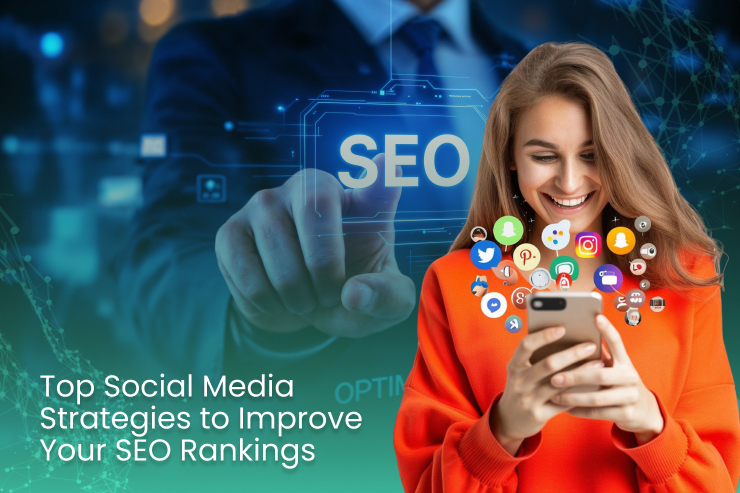
Social media and SEO used to live in different worlds, one focused on engagement, the other on transparency. But today, they’re profoundly connected. As users turn to platforms such as Instagram, TikTok, and LinkedIn to search for products and information, optimizing your social media for SEO has become crucial.This guide explains what social media SEO is, how it works, and the best strategies to help your brand rank higher and reach more people.
What Is Social Media SEO?
Social media SEO means optimizing your social profiles and content so they appear in both social and search engine results. It includes using keywords in your bios, captions, image alt text, and video subtitles, plus adding links and hashtags that support discoverability.The goal is as similar as traditional SEO: reach the right audience, answer their requirements, and create value. With nearly one in four users making purchases directly via social media, social SEO can no longer be ignored.
Why Social Search Matters?
Search engines such as Google have started indexing social content for years, but now social platforms themselves act as search engines. Gen Z and Millennials, in particular, use platforms like TikTok or Instagram to look for products, tips, and reviews before turning to Google.If your profiles and posts aren’t optimized for those searches, you’re missing a huge opportunity.
Social Media SEO vs. Traditional SEO
Traditional SEO emphasizes enhancing your website’s ranking on Google and other search engines. Social media SEO, meanwhile, boosts discoverability within social platforms, but the lines are blurring fast.Posts and profiles often appear in search results, and both rely on quality content, keyword alignment, and audience engagement. Integrating these two strategies builds stronger brand visibility throughout every channel.
Top Social Media SEO Strategies
Here are 14 key practical ways to engage your social media and SEO strategies for maximum visibility:
- Write search-friendly captions. Use keywords naturally and mention them in advance in captions or scripts so algorithms can categorize your content precisely.
- Add descriptive alt text and file names. Give your images and videos detailed names and alt text that involve relevant keywords, enhancing accessibility and helping search engines understand your visuals.
- Use social sharing buttons wisely. Place them strategically on blog posts to boost distribution, but don’t overload landing pages where they can distract from conversions.
- Own your brand search results. Ensure your social profiles dominate the search page when people look for your brand. Keep profiles updated and consistent.
- Create an integrated keyword plan. Combine SEO tools such as Google Keyword Planner with social trend insights from platforms like TikTok or LinkedIn to identify new, high-volume keywords.
- Include links in your profiles. Even if social links are “nofollow,” they still drive valuable traffic and brand engagement that enhances SEO indirectly.
- Encourage positive mentions. Respond to comments, engage in discussions, and use social listening to build positive sentiment, which signals trust and authority.
- Optimize your profiles. Use consistent visuals, tone, and keywords across all platforms. Add a clear CTA and keep details updated.
- Treat your bio like a meta description. Summarize who you are and what you do using relevant keywords and a strong call to action.
- Build genuine engagement. Skip fake followers; algorithms now reward meaningful engagement over numbers. Quality engagement drives more organic reach.
- Foster communities. Respond to comments, host live sessions, and join niche groups. Engaged communities signal relevance to both algorithms and audiences.
- Highlight your creators. Connect posts to verified author profiles or contributor bios to increase credibility and authority.
- Use high-quality visuals. Clean, well-composed photos and videos grab attention. Storytelling and consistent branding matter more than fancy equipment.
- Collaborate with influencers. Collaborating with influencers expands reach and boosts credibility. Co-created campaigns and giveaways can increase organic engagement and backlinks.
Putting It All Together
These strategies only work when you apply them continuously. Brands that use detailed captions, keyword-based hashtags, and alt text already see their social posts appearing in Google results. Others build strong engagement by replying to every comment and sparking meaningful discussions, enhancing both visibility and trust.The key is alignment. Your SEO and social teams should share insights, keywords, and analytics to make sure content performs well on every platform. When both strategies work collectively, you get more reach, stronger engagement, and higher brand authority.
Final Thoughts
Social media SEO isn’t about copying website SEO tactics; it’s about adapting them to the fast-moving world of social platforms. Your audience may begin their search on Google, TikTok, or LinkedIn, but your content should meet them wherever they are.By aligning SEO with social strategy, your brand becomes discoverable across all search channels, helping you stay competitive, relevant, and visible in a progressively crowded digital space.
How OSITS Can Help?
At OSITS, we help businesses align social media and SEO to attain real growth. Our experts build strategies that combine keyword insights, social trend analysis, and performance tracking to make your content stand out.Whether you need profile optimization, SEO-driven content creation, or integrated marketing campaigns, OSITS tailors every solution to your business objectives. With our data-driven approach and creative implementation, we make it easier for your brand to connect, engage, and rise above the competition.

Need better social media results? Let's optimize your brand


Related posts
OSITS • January 16, 2026
Paid Social Strategies Proven to Work

OSITS • January 16, 2026
Marketing Agency Cost: How Much Does It Cost To Market Your Business
OSITS • January 14, 2026
Organic Social Vs. Paid Social Media: Which Do You Need
OSITS • January 14, 2026


